Tips for Preparing Your Gas Appliances for Winter
Cape Town winters always tend to arrive with a bit of drama.
The mountain disappears into a thick cloud, the rain sets in properly, and suddenly that gas heater you barely thought about in January becomes your most treasured household companion.
The question is whether it is ready for you.
Getting your gas appliances in order before the cold arrives is one of those acts of home care that pays off beautifully. It is like winter-proofing your home for your comfort.
As the months edge closer to winter, now is a great time to have a look at your appliances to see what needs to be done before the cold settles in, and in this guide, we have some helpful information to help you prepare.
What is Considered a Gas Appliance?
A gas appliance is any device that runs on liquefied petroleum gas (LPG) or natural gas to produce heat, flame, or hot water.
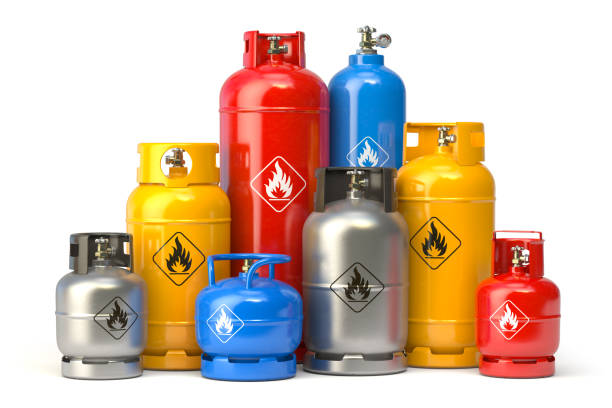
In South Africa, LPG is the most common fuel type used in residential settings, supplied via cylinders connected to a regulated gas system.
Gas appliances are governed by the South African National Standards (SANS) Code 1539, which sets out appliance approval and certification requirements.
Any appliance connected to a gas installation in your home should be compliant with these standards, and your installation itself must meet SANS 10087-1:2013 guidelines to remain legally valid and insurable.
What are Examples of Gas Appliances?
More homes in the Western Cape are running on gas than ever before, largely because load shedding has made the reliability of electricity impossible to count on.
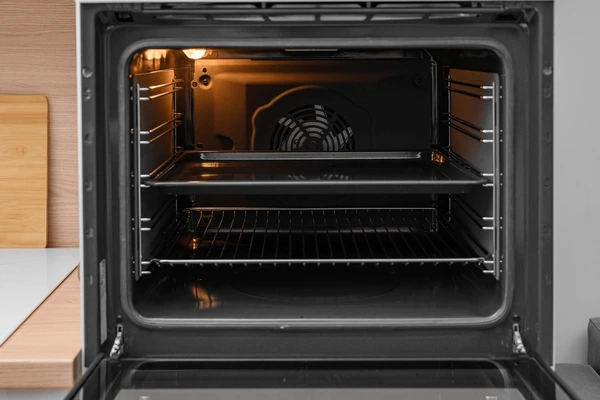
Common gas appliances found in Cape Town homes include gas hobs and stoves, gas ovens, gas geysers and water heaters, gas fireplaces and space heaters, gas braais and outdoor cooking setups, and gas pool heaters.
Each of these appliances has specific maintenance needs, and each one works harder during the winter months.
A gas geyser that runs constantly in cold weather, or a gas heater that is switched on daily for the first time in months, can have problems that you had no idea about until you needed to use your appliance.
How can I prepare my Gas Appliances for Winter?
The good news is that preparing your gas appliances for winter is straightforward when you know what to look for.
The best place to start is to simply have a look at the appliance.
You should check all of the visible gas pipes and connections for cracks, corrosion, or signs of wear. The PVC gas pipes should be intact and properly secured, and no fittings should feel loose. If anything looks questionable, do not use the appliance until it has been assessed by a registered gas installer.
The next step is to check your regulators.
A faulty or ageing regulator can cause uneven gas pressure, which in turn affects the appliance’s performance and safety. Regulators generally have a lifespan of around five years and should be replaced if they show signs of wear or if your appliances have been performing inconsistently.
You should also test every appliance before you need it urgently.
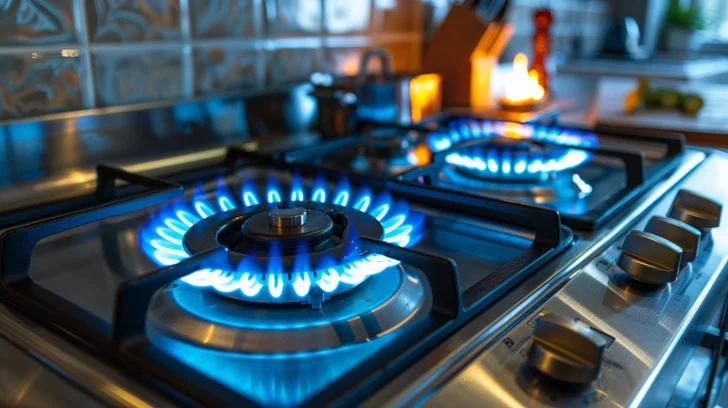
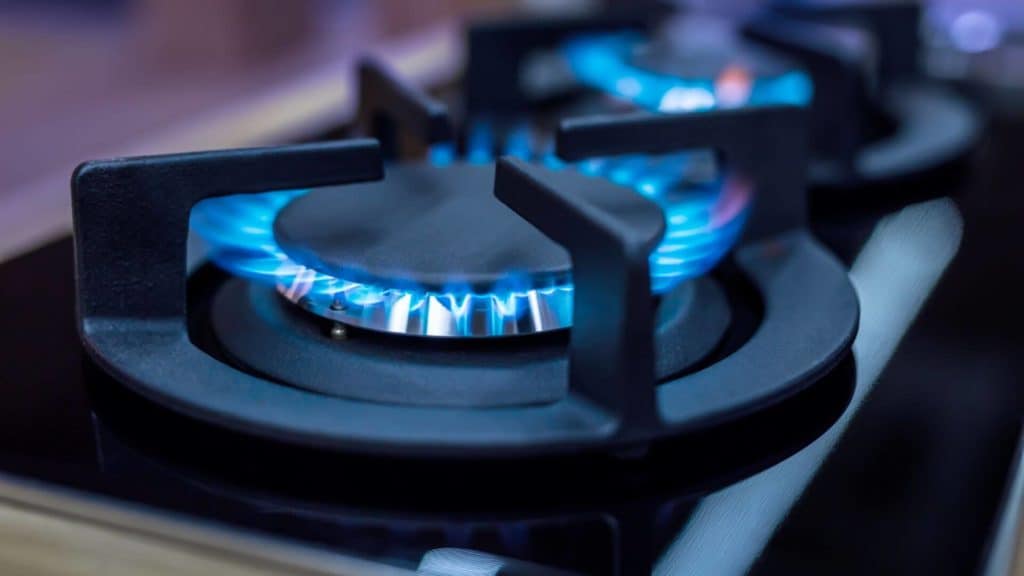
Turn on your gas heater, fire up the geyser, and check the hob flames. Blue, even flames are a sign of healthy combustion. Yellow or orange flames, unusual smells, or slow ignition can all indicate a problem that needs professional attention.
Your cylinders should always be correctly stored.
SANS regulations require cylinders to be a minimum of one metre from any window, door, or airbrick, and at least five metres from any electrical installation. Cylinders should be upright, properly caged, and in a well-ventilated outdoor space.
And the last thing that you should do before the cold season arrives is to book a pre-winter service.
Having a registered gas professional inspect and certify your installation before the cold sets in will give you peace of mind and keep your insurance valid.
It is also far easier to sort out in April than in the middle of a July cold front.
A Warm Home Starts with a Well-Maintained One
Wineland Gas serves homeowners across the greater Western Cape, from Cape Town to Paarl, Stellenbosch, and beyond.
As an LP Gas Association of South Africa-accredited company, all of our installations and servicing are carried out in full compliance with SANS regulations.
If your home gas system needs a pre-winter inspection, if you are looking for a whole new installation, or if you’ve been putting off a long-overdue service, our team brings the kind of expertise that makes the whole process feel easy.
Because winter in the Cape is coming regardless, and a home that is warm, safe, and fully functioning is always worth preparing for.
Get in touch with Wineland Gas before the cold arrives.
Frequently Asked Questions Gas suppliers in Cape Town
1. What gas appliances are most commonly used in Cape Town homes?
The most common gas appliances in Cape Town homes include gas hobs, gas stoves, gas geysers, gas heaters, gas fireplaces, and gas braais. The widespread adoption of gas in the Western Cape has grown significantly in recent years, largely driven by the unreliability of Eskom electricity supply. Gas appliances are valued for their efficiency, reliability during power outages, and lower running costs compared to electric alternatives.
2. How often should gas appliances be serviced in Cape Town?
Gas appliances should be inspected and serviced at least once a year, ideally before the winter season when usage increases significantly. A registered LP gas installer should carry out the service to ensure all connections, regulators, pipes, and appliances meet SANS 10087-1:2013 standards. Regular servicing also keeps your home insurance valid and your gas Certificate of Compliance (COC) current.
3. Is it safe to use gas appliances indoors in Cape Town?
Yes, gas appliances that are correctly installed and properly ventilated are safe for indoor use. Appliances such as gas heaters and fireplaces must be used in rooms with adequate ventilation to prevent the build-up of carbon monoxide. All indoor gas appliances should be certified under SANS Code 1539 and installed by a registered gas professional to ensure they meet South African safety standards.
4. What are the signs that a gas appliance needs servicing?
Key signs that a gas appliance needs attention include yellow or orange flames instead of blue, a persistent gas smell near the appliance or connections, slow or unreliable ignition, uneven heat distribution, and a noticeable increase in gas consumption without a change in usage patterns. Any of these signs should prompt a call to a registered gas installer before the appliance is used again.
5. Do gas installations in Cape Town need to be certified?
Yes. All gas installations in South Africa must comply with SANS 10087-1:2013 and be carried out by a registered LP gas installer. A Certificate of Compliance (COC) is required when selling a property, and maintaining a valid COC is also a condition of most home insurance policies. Wineland Gas provides inspection and certification services across the greater Western Cape.