
A Guide to Wooden Houses and Gas
Wooden houses have plenty of character and for the longest time, they have been a popular option for South Africans looking for a different kind of lifestyle, especially among those wanting to build a life off grid.
One of the biggest questions that every wooden home owner has probably had running through their minds a few times is about the use of gas appliances and more importantly whether or not they are safe to use.
To help clear up any misconceptions and put your mind at ease, we’re going to share some helpful information about how gas appliances for wood houses work, what to watch for and how to get the most from your setup.
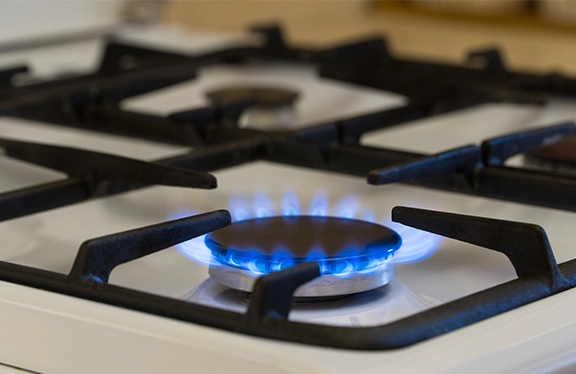
Why Gas Works Beautifully in Wooden Homes
Gas appliances for wood houses deliver instant heat, precise control and reliable performance without the mess of wood or coal.
In a wooden home, where fire safety matters even more, gas will give you a cleaner burn with fewer sparks and embers floating about.
Gas geysers, hobs, fireplaces and braais are all perfectly suitable for wooden structures when installed correctly.
Working with an installer who follows SANS 10087-1:2013 standards and who are certified, is the best way to ensure that whatever gas appliances you have, work safely and effectively.
What Wooden Home Owners Must Know About Gas and Safety
Wooden houses need extra attention to ventilation, clearances and cylinder placement, so when you are planning to use gas appliances, these are the non-negotiables:
| Safety Check | Requirement | Why It Matters |
| Cylinder placement indoors |
Only 1 x 9kg cylinder allowed in free- standing houses under 2 storeys (Western Cape) |
Limits fuel load inside wooden structures winelandsgas.co+1 |
| Distance from windows and doors |
Minimum 1 metre | Prevents gas accumulation near openings winelandsgas.co+1 |
| Distance from drains and vents |
Minimum 2 metres | Avoids gas pooling in low areas winelandsgas.co+1 |
| Distance from electrical sources |
Minimum 5 metres from plugs, sockets, motors |
Reduces ignition risk winelandsgas.co+1 |
| Carbon monoxide monitoring |
Install CO detectors near sleeping areas |
Early warning for invisible, odourless gas lung+1 |
As with all gas installations, you need to make sure that you use a registered gas practitioner who has the knowledge to work with all of the piping, connections and certifications.
Unregistered work is not only against the law, but it can put everyone at risk. Insurance companies may refuse claims if your installation doesn’t have the proper Certificates of Conformity.
Best Gas Appliances for Wooden Houses
Not all gas appliances suit every wooden home, but these options work particularly well:
Gas Geysers
Instant hot water without the wait is not only convenient but also a great way to save money.
Modern units have safety cut-offs and work beautifully with wooden layouts when installed with proper clearances.
Gas Hobs and Stoves
These appliances are great because they give you precise temperature control for cooking and also tend to help you save quite a bit of money.
Gas Fireplaces
A gas fireplace will give you ambient warmth without the mess of wood or the worry about having an open fire. Many of the modern types have glass fronts that contain sparks while radiating heat into living spaces.
Gas Braais
This one might spark a bit of a debate about whether or not a gas braai counts as a real braai but when you have a wooden home, a gas braai will keep the flames well away from wooden walls while still giving you that perfect flame-grilled flavour.
What to Expect When Making the Switch to Gas
Moving away from electric or wood to gas takes some planning but the benefits are instant.
Once you start using gas appliances, you can look forward to lower running costs, better and temperature control.
And when you are ready to shop around, it is always best to start with a consultation. Certified technicians will know how to evaluate your current setup, recommend suitable appliances and provide clear quotes.
Winelands Gas has over a decade of experience in gas installations for residential and commercial projects in the Western Cape. Our team knows wooden construction, local regulations and how to make gas work beautifully in these special homes.
Frequently Asked Questions
Can I install gas appliances inside a wooden house in South Africa?
Yes, wooden houses allow gas appliances when installed by registered practitioners following SANS 10087-1:2013. Only one 9kg cylinder may stay indoors in free-standing homes under two storeys in the Western Cape. All work requires a Certificate of Conformity.
What safety distances apply to gas cylinders near wooden walls?
Gas cylinders need 1 metre from windows and doors, 2 metres from drains and vents, and 5 metres from electrical sources. Wooden walls require non-combustible barriers if cylinders sit below windows. These clearances prevent heat damage and gas accumulation.
Do gas appliances improve air quality in wooden homes?
Gas appliances burn cleaner than wood or coal, producing fewer particulates inside the home.
Proper ventilation and carbon monoxide monitors keep indoor air safe. Regular servicing maintains optimal combustion and reduces pollutant risks.
How much does a gas installation cost for a wooden house?
Installation costs vary by appliance type, cylinder size and piping complexity. Basic geyser installations start around R3,500 while full reticulation systems cost more. Certified quotes include all materials, labour and certification fees.
Who certifies gas installations in wooden houses?
Only SAPGA and LP Gas Association registered practitioners issue valid Certificates of Conformity.
These certificates prove installations meet SANS standards and remain essential for insurance coverage. Always request your CoC after completion.


