

Upgrading Your Restaurant Kitchen with Commercial Gas
There is a big difference between a restaurant kitchen that copes with the crowds and one that works like a well-oiled machine.
In Cape Town’s busy restaurant scene, where expectations are high and patience is often unforgivingly thin, that difference often comes down to what fuels the flame, not in a poetic sense alone, but in the very real, very practical choice between inconsistent power and a steady, responsive heat source that chefs can trust without thinking twice.
This blog is not for those chasing trends. It is for restaurateurs who are looking for the best ways to run their business.
The way a sauce tightens too quickly on uneven heat. The frustration of a service slowed by load shedding. The stress grows when the equipment does not quite keep up.
These are the details that shape a dining experience, whether guests realise it or not.
Why Commercial Gasis Becoming Essential in Cape Town
Cape Town’s hospitality industry has had to become resilient.
With South Africa’s ongoing energy constraints, restaurants are under pressure to maintain consistency regardless of external disruptions.
Commercial gas can give restaurants a level of control that electricity often cannot match.
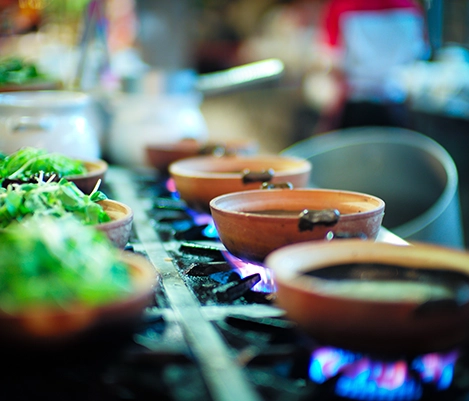
Heat from gas is immediate, adjustments are precise, and there is no waiting for plates to warm or ovens to stabilise.
According to insights from the International Energy Agency, gas is still one of the most efficient energy sources for commercial cooking due to its responsiveness and cost predictability.
And for a busy kitchen, this means a smoother service and fewer compromises.
The Price You PayFor Not Upgrading
A gas appliance is any device that runs on liquefied petroleum gas (LPG) or natural gas to produce heat, flame, or hot water.
In South Africa, LPG is the most common fuel type used in residential settings, supplied via cylinders connected to a regulated gas system.
Gas appliances are governed by the South African National Standards (SANS) Code 1539, which sets out appliance approval and certification requirements.
Any appliance connected to a gas installation in your home should be compliant with these standards, and your installation itself must meet SANS 10087-1:2013 guidelines to remain legally valid and insurable.
What to Consider When Switching to Gas
Upgrading a kitchen comes with a lot of excitement, but it also requires some careful planning to ensure that the system supports the vibe and pace of the restaurant.
Kitchen Layout and Flow
Gas appliances should be positioned to support natural movement during service. A well-planned layout reduces unnecessary steps and keeps the team focused during peak hours.
Safety and Compliance
Working with gas requires adherence to South African safety standards. The Liquefied Petroleum Gas Safety Association of Southern Africa provides clear guidelines on installation and usage. Choosing a knowledgeable supplier ensures that these standards are met without added stress.
Supply Reliability
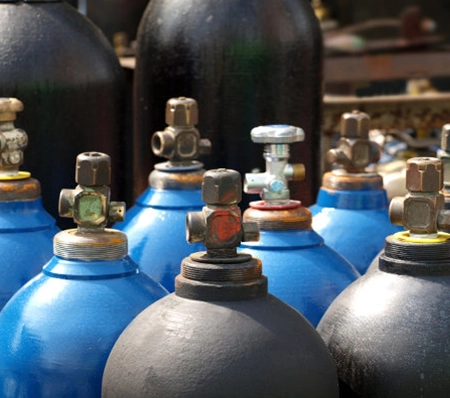
Perhaps the most important factor to keep in mind is the consistency of your gas supply. Running out of gas mid-service is obviously not an option. A dependable Cape Town gas supplier becomes an essential partner, not just a vendor.
Finding the RightCape Town Gas Supplier
Not all suppliers are equal, and the difference is felt most when it matters. A reliable partner ensures timely deliveries, consistent quality, and guidance when needed.
For restaurants in Cape Town, companies like Wineland Gas have built a reputation around dependability and service. Our understanding of the local hospitality industry allows us to support businesses in a way that helps them grow.
When you have the right supplier, gas becomes one less thing to worry about. And in a busy kitchen, that peace of mind is invaluable.
Frequently Asked Questions Gas suppliers in Cape Town
Why should a restaurant choose a Cape Town gas supplier over electricity?
Gas provides instant heat, precise control, and reliability during load shedding, making it a practical choice for consistent kitchen performance.
Is commercial gas safe for restaurant kitchens?
Yes, when installed and maintained according to standards set by bodies like the LPG Safety Association, gas systems are safe and widely used.
How do I choose the right Cape Town gas supplier?
Look for reliability, compliance knowledge, consistent supply, and strong local experience within the hospitality sector.
Can small cafés benefit from switching to gas?
Absolutely. Gas improves efficiency and consistency for kitchens of all sizes, from boutique cafés to high-volume restaurants.
What are the cost benefits of using gas in a restaurant?
Gas can reduce downtime, improve cooking efficiency, and lower long-term operational costs compared to an inconsistent electrical supply.


