
Buying A Home with Gas Installed? Here's What to Check Before You Sign
After months and months of searching, you’ve finally found a house you love. The kitchen has that gas hob you’ve been dreaming about since your last rental had an electric plate that took ten minutes to boil an egg. There’s a gas braai point on the patio. Maybe even a gas geyser that can save you a fortune on electricity.
Before you get swept up in Pinterest boards, there’s one thing that is more important than the paint colour and that is the gas Certificate of Compliance.
Most buyers in the Cape Town property market focus on damp patches, roof beams and whether the pool pump works.
Gas gets a glance, if that, as we blindly trust that everything is in order and working just as it should.
Yet a poorly documented gas installation can cost a new owner far more than a leaking roof, and it can happen far more quietly.
Why the Certificate is Non-Negotiable
A property with a permanent gas installation cannot legally change hands without a valid Certificate of Compliance.
This applies to any built-in gas appliance, including gas hobs, gas fireplaces, gas braais, gas geysers and gas generators.
The certificate confirms that a registered installer inspected the system against SANS 10087-1, the national standard governing LPG installations in South Africa, and found it safe.
Sellers sometimes assume an old certificate, or none at all, is a minor paperwork gap the transfer attorney will sort out later.
It isn’t.
The seller is legally responsible for providing a valid CoC at the point of sale, and this obligation cannot be waived or negotiated away in the offer to purchase. If it’s missing, that’s your first red flag, and your first negotiating point.
The Five Checks to do Before You Sign Anything
If checking up on the CoC sounds like serious business its because it is. But the checks you do doesn’t have to be overwhelming or over complicated, you just have to do this:
Confirm the certificate is for this specific installation.
A CoC issued for a different appliance configuration, or before renovations added a new gas point, doesn’t cover what’s currently installed. Ask when the certificate was issued and what appliances it lists.
Check the installer's registration number.
Only installers registered with the South African Qualification and Certification Committee for Gas may legally issue a CoC. A quick search of the registration number confirms the certificate is genuine rather than a template filled in by someone unqualified.
Match the cylinder setup to current rules.
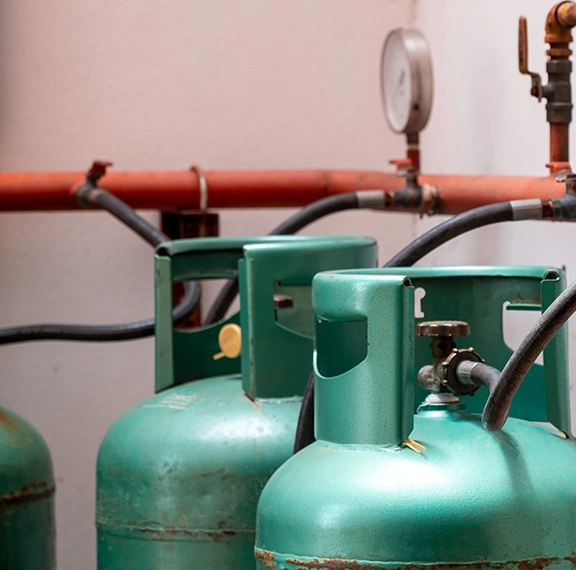
Western Cape homes may keep one 9kg cylinder indoors in a ventilated cupboard, provided the house doesn’t exceed two storeys. Larger cylinders belong outside, at least one metre from doors and windows, five metres from electrical sources like pool pumps or distribution boards, and never inside a garage.
Look at the hose and pipework, not just the appliances.
Orange indoor hoses are only for indoor use, must not exceed two metres, and may never run through walls or cupboards. Cracked, sun-bleached or improvised piping is one of the more common issues found during resale inspections, and it’s an easy one to miss if you’re only looking at the shiny new hob.
Ask when the system was last serviced.
Gas installations benefit from inspection roughly every five years, since rubber components perish over time even when nothing appears wrong. A seller who can produce service records alongside the CoC is generally a seller who has looked after the property properly, which tells you something useful about the rest of the house too.
What Happens If You Skip This Step
An uncertified installation is more than just a safety question, it’s a financial one.
Insurers can decline a gas-related claim outright if a valid CoC can’t be produced, which turns a repairable mishap into an expensive one.
Buyers who skip the check sometimes discover the shortfall only when they try to insure the property or sell it again themselves, at which point the cost and inconvenience land squarely on them rather than the previous owner.
None Of This Process Needs to Be Stressful
A qualified inspection before transfer, carried out by a team that installs and certifies gas systems across the Western Cape every week, will take the worry off your shoulders, whether you are selling and need a CoC, or buying and looking for someone who can give you the right information.
Winelands Gas, based in Strand and working across Cape Town and the surrounding Winelands, inspects existing installations, issues Certificates of Compliance and can flag anything that needs attention before you’re the one holding the risk.
A home with gas installed can be one of the better finds in the current market. Just make sure the paperwork is as solid as the house.
Frequently Asked Questions
Do I need a new gas certificate when I buy a house in Cape Town?
Yes. A valid Certificate of Compliance must be issued whenever a property with a permanent gas installation changes ownership, confirming the system meets SANS 10087-1 standards at the time of sale.
Who is legally responsible for the gas compliance certificate when selling a home?
The seller is responsible for providing a valid CoC before transfer. This obligation cannot be waived in the offer to purchase, so buyers should confirm it’s in place before signing.
How long does a gas Certificate of Compliance last?
A CoC doesn’t expire on its own, but a new one is required after any changes to the installation, any maintenance work, or a change of property ownership.
Can I install a gas cylinder inside my Cape Town home?
A single 9kg cylinder may be installed inside a ventilated cupboard in a house up to two storeys, or in an apartment. Larger cylinders must be kept outside within specified safety distances.
What should I do if I suspect a gas leak in a newly purchased home?
Shut the emergency valve at the cylinder and at the appliance, open all doors and windows, move the cylinder outside if it’s safe to do so, and contact a registered gas installer immediately.


